Empty Straw Basket. Decorative Rural Car
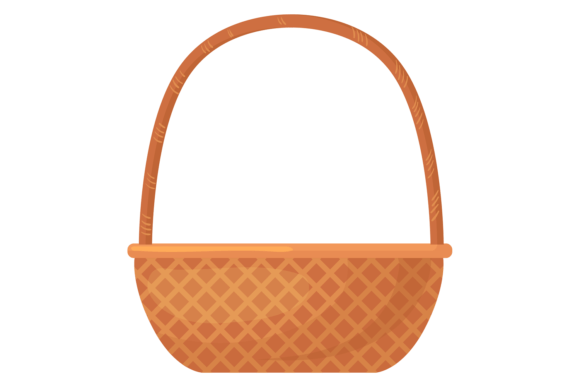
As a designer who’s stitched over 300 client projects—from Etsy shop launches to boutique baby lines—I opened Empty Straw Basket. Decorative Rural Car expecting charm, not complexity. What I found was a quiet, confident illustration: a hand-drawn straw basket sitting beside a cheerful, simplified rural car—think vintage delivery van meets farmhouse kitchen. No text, no clutter, just two gentle icons sharing space with warm, organic spacing. It’s not “cute” in a sugary way—it’s grounded, nostalgic, and quietly versatile.
A Tote Bag That Feels Like Home
Last week, I prepped a custom order for a small-town café: ten linen tote bags for their summer farmers’ market pop-up. They wanted something that whispered “local,” “handmade,” and “unhurried.” I tested Empty Straw Basket. Decorative Rural Car on one bag first—centered above the pocket, sized to 3.8 inches wide. The result? Instant warmth. The basket’s woven texture translated beautifully into satin stitch, and the car’s rounded silhouette held clean lines even at that scale. Customers didn’t just notice it—they paused. One asked, “Is that your own design?” That’s the mark of a strong embroidery file: it reads as intentional, not generic.
Where This Design Truly Shines
Empty Straw Basket. Decorative Rural Car isn’t built for high-detail realism—it’s designed for legibility, rhythm, and emotional resonance. That makes it ideal for:
- Custom apparel: Works cleanly on sweatshirt cuffs, chest pockets, or back yokes—especially on natural fibers like cotton, linen, or midweight French terry.
- Embroidered patch: Its clear silhouette and balanced negative space make it a standout sew-on or iron-on patch for aprons, denim jackets, or nursery backpacks.
- Baby embroidery: Soft enough for onesies and burp cloths, but distinctive enough to avoid blending into the sea of teddy bears and clouds.
- Holiday embroidery: Swap thread colors to sage and cream for spring; brick red and oat for fall. It fits seasonal gifting without needing thematic overhaul.
- Craft business branding: Use it as a subtle watermark on printable mockups—or as a consistent motif across tea towels, pillow covers, and kitchen aprons.
Real Embroidery Considerations (Not Just Theory)
This isn’t a “drag-and-stitch” file—and that’s a good thing. Its strength lies in thoughtful placement, not automatic compatibility. Here’s where attention matters:
- Hoop size & stitch density: At full scale, it occupies a comfortable 4–5 inch hoop. But shrink it below 2.5 inches, and the basket’s weave starts losing definition. If you’re stitching on caps or curved surfaces, test the car’s wheel detail—it’s simple, but fine curves can blur if stabilizer isn’t snug.
- Fabric texture: On slubby linen or thick canvas, the design gains lovely tactility. On thin cotton poplin or stretchy jersey? Add cutaway + tear-away stabilizer combo—otherwise, the satin stitch on the basket rim may ripple.
- Dark fabric: The original EPS/SVG files give you full control over fill and outline colors—but don’t assume black thread on navy will read clearly. Test a black-and-white mockup first. A warm tan or muted olive often lifts better than stark white.
- Wash durability: As a machine embroidery design with moderate fill stitch coverage (no dense fills or micro-details), it holds up well on items like tea towels or baby blankets—provided thread tension is calibrated and knots are buried.
What It Adds to Your Finished Product
When you choose Empty Straw Basket. Decorative Rural Car, you’re not just adding decoration—you’re reinforcing a feeling. It subtly tells customers: *This was chosen, not slapped on.* That builds trust. For an Etsy seller listing handmade embroidered kitchen towels, it elevates perceived value—not because it’s flashy, but because it feels cohesive and considered. For a craft fair vendor selling personalized baby bibs, it signals care in curation, not just execution.
It also supports brand consistency without demanding uniformity. Use it alone on a cap, paired with a tiny herb sprig on a pillow cover, or reversed in tone for a holiday gift tag. Its rural-but-not-antique personality avoids trend fatigue—it won’t look dated next season.
Practical Designer Notes Before You Stitch
Before committing to production—or uploading to your digital embroidery file shop—do these five things:
- Test the design on scrap fabric matching your final product’s weight and stretch.
- Check thread color contrast on both light and dark fabric swatches—not just digitally.
- Review stitch density: Is the basket base dense enough to prevent show-through on sheer fabrics? Is the car outline bold enough for visibility at 3 inches?
- Confirm hoop size compatibility with your most-used hoops—and whether the design fits comfortably within them without re-hooping.
- Inspect small details: Are corners sharp? Does the car’s window read as a shape, not a blob? Zoom in on the SVG or EPS file before converting to your embroidery format.
And always verify licensing. Since Empty Straw Basket. Decorative Rural Car is listed under Illustrations and Graphics—not pre-digitized embroidery files—you’ll need to digitize it yourself or hire a digitizer. That means confirming commercial use rights before selling finished products or reselling the digital embroidery file.
Final Thought: It’s Not Just a Graphic—It’s a Quiet Invitation
In a market flooded with overdesigned, overdigitized assets, Empty Straw Basket. Decorative Rural Car stands out by doing less—and meaning more. It doesn’t shout. It settles in. It fits naturally on a linen apron worn by a baker, a cotton tote carried by a farmer’s market shopper, or a soft blanket gifted at a baby shower. It’s the kind of design that makes people smile without knowing why—then reach for the item again, and again.
If you’re building a craft business, curating handmade product lines, or choosing embroidery designs for real-world wear and gifting, this one earns its place—not as filler, but as foundation.