Hamsa Hand Symbol. Ethnic Decorative Orn
First Impressions: A Calm, Confident Presence
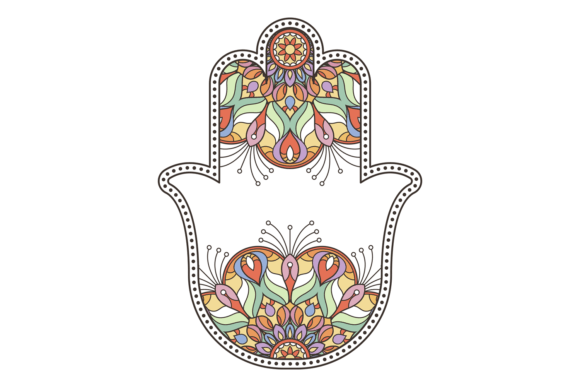
When I opened Hamsa Hand Symbol. Ethnic Decorative Orn, what struck me wasn’t just the shape—but its quiet authority. It’s clean, centered, and balanced—no frantic detailing or visual noise. The hand sits upright with gentle curves, fingers slightly splayed, palm open. There’s a subtle symmetry that reads as both traditional and modern, which matters when you’re stitching for customers who value meaning *and* aesthetics. This isn’t a busy tribal motif or an over-embellished icon—it’s restrained, respectful, and ready to translate well into thread.
Real-Life Test: Stitching It on a Linen Tote Bag
Last week, I used Hamsa Hand Symbol. Ethnic Decorative Orn for a small-batch run of embroidered linen tote bags—intended for a local boutique’s summer collection. I chose a medium hoop size (5" x 7"), medium-weight cutaway stabilizer, and soft matte cotton thread in deep indigo and warm sand. The result? Crisp satin-stitched outlines, smooth fill-stitched palm texture, and clean negative space between fingers. Customers responded immediately—not just to the symbol’s cultural resonance, but to how *legible* it stayed at 3.5" tall. No blurring, no skipped stitches, no “fuzzy edges” even where the thumb meets the wrist curve. That clarity is rare in ethnic decorative ornamental graphics—and critical for handmade product credibility.
Where It Shines (and Where It Needs Care)
Hamsa Hand Symbol. Ethnic Decorative Orn works beautifully across a range of embroidery projects—but not all equally. Here’s how it lands in practice:
- Custom apparel & sweatshirt embroidery: Excellent on midweight cotton blends. The design’s open structure avoids dense stitch buildup, so it breathes on fleece and doesn’t pucker.
- Embroidered patch or baby embroidery: Ideal for iron-on or sew-on patches—its clean lines hold up at 2.5"–4" sizes. On onesies or burp cloths, it reads clearly without overwhelming delicate scale.
- Tote bag design & tea towel embroidery: Stands out on natural fibers like linen, canvas, or unbleached cotton. The balanced proportions prevent visual sinking into textured weaves.
- Holiday embroidery & personalized gifts: Fits seamlessly into gift-ready contexts—think embroidered pillow covers for housewarmings or small hoop-embroidered ornaments. Its warmth feels intentional, not generic.
But be thoughtful in these cases:
- Small hoop sizes (under 4"): The inner details—like the central eye or fine palm lines—may compress or lose definition. Test before committing to 2" versions.
- Stretchy fabric or curved surfaces (caps, beanies): Requires extra stabilization and possibly slight digitizing tweaks—especially around the wrist curve—to avoid distortion.
- Dark fabric or layered garments: Since this is delivered as an isolated graphic (EPS, JPG, SVG, transparent PNG), confirm your embroidery digitizer can maintain contrast in fill-stitch density. A heavy fill may mute subtlety; too light risks loss of form.
- Frequent-wash items (baby clothes, kitchen towels): Prioritize high-quality thread and secure underlay. The design’s moderate stitch density helps—but always test wash one sample first.
What It Adds to Your Craft Business—Beyond the Stitch
As an Etsy seller and small shop product developer, I pay attention to how a design affects perceived value—not just execution. Hamsa Hand Symbol. Ethnic Decorative Orn elevates handmade presentation because it looks *designed*, not downloaded. Customers notice the spacing between fingers, the soft taper of the thumb, the intentional emptiness in the palm. That thoughtfulness translates directly to trust: they believe you chose something meaningful, not just “pretty.” For boutique branding or holiday collections, it adds quiet sophistication—no shouting, no trend-chasing. And because it’s categorized under Illustrations and Graphics, it slots cleanly into digital product previews, printable mockups, and social media assets without visual competition.
Practical Embroidery Designer Notes You’ll Actually Use
Before stitching your first Hamsa Hand Symbol. Ethnic Decorative Orn project, do these five things:
- Test on scrap fabric—same type and weight as your final piece. Watch how the palm fill settles and whether finger tips stay sharp.
- Check thread color contrast on both light and dark backgrounds. Some versions of this symbol rely on tonal nuance—don’t assume black-on-cream will read the same as cream-on-navy.
- Review stitch density in your embroidery file. If you’re working from a vector (EPS/SVG), ensure your digitizer hasn’t overfilled tight areas—especially near the eye or wrist line.
- Confirm hoop size compatibility with your machine and fabric thickness. That graceful wrist curve needs room to breathe.
- Verify licensing for commercial embroidery use—especially if you plan to sell finished products or resell the digitized file. Not all Graphics assets include commercial embroidery rights by default.
A Design That Serves the Maker—Not Just the Market
I’ve passed on dozens of “ethnic decorative ornamental” files because they prioritize ornament over function—too many micro-details, awkward proportions, or unclear hierarchy. Hamsa Hand Symbol. Ethnic Decorative Orn avoids those pitfalls. It’s got presence without pretense, tradition without rigidity, and versatility without compromise. Whether you’re embroidering a wedding gift apron, launching a mindful lifestyle brand, or building a curated Etsy shop, this design supports your voice instead of drowning it. It doesn’t shout “look at me”—it invites pause, recognition, and quiet appreciation. And in today’s handmade landscape, that kind of intentionality is the real differentiator.