Butterfly Summer Decorative
A Designer’s First Look: Light, Airy, and Purposefully Simple
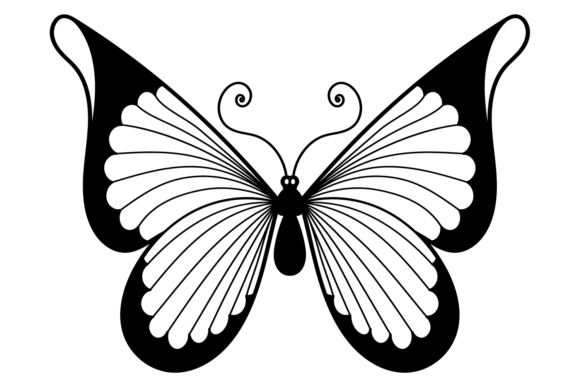
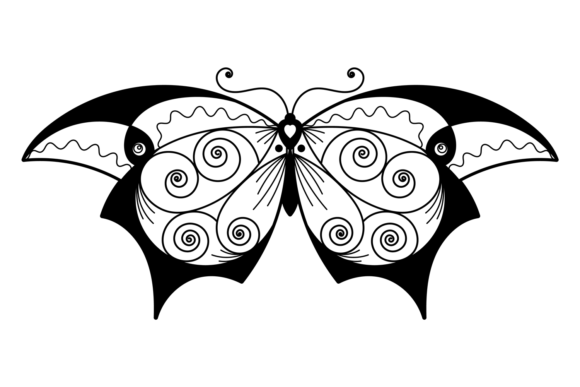
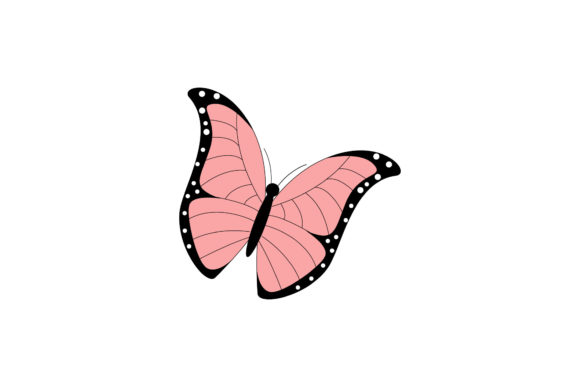
When I opened Butterfly Summer Decorative for the first time, my eye went straight to its balance—clean wings, gentle curves, and breathing room between elements. It doesn’t shout; it invites. As an embroidery designer who tests hundreds of digital files a year, I immediately sensed this wasn’t built for dense fill-stitch coverage or intricate appliqué layers. Instead, it leans into elegance through restraint: a single bold silhouette with subtle internal line work—just enough to suggest wing veins without overloading the stitch path. That makes it ideal for lightweight summer projects where fabric drape and breathability matter as much as visual charm.
Real-World Use: From Tote Bag to Nursery Pillow
Last week, I prepped a custom order for a local boutique: embroidered linen pillow covers for a baby shower gift set. I chose Butterfly Summer Decorative as the centerpiece—not because it’s flashy, but because it reads beautifully at 4.5 inches wide on natural fiber. The wings held crispness across three different stabilizer setups (cutaway for medium-weight linen, tear-away for cotton poplin, and no-show mesh for sheer voile). No puckering. No thread nesting. Just smooth satin stitch edges and confident running-stitch accents that translated cleanly from screen to fabric.
It also worked surprisingly well on a curved surface: a structured cotton twill cap. I resized it down to 3.25 inches and kept the original proportions intact—no distortion, no loss of legibility. That’s rare in illustrative graphics meant for embroidery. Most butterfly designs collapse or blur when scaled below 4 inches, but this one retained its personality. For Etsy sellers building seasonal collections, that versatility means one file can serve sweatshirt embroidery, tea towel monograms, and even delicate baby onesie accents—all while keeping brand cohesion.
Where It Shines—and Where to Pause
Butterfly Summer Decorative excels in contexts where clarity and calm are part of the product story: nursery decor, boutique aprons, personalized picnic blankets, holiday embroidery for spring showers or garden weddings. Its clean vector foundation (AI + EPS) means you can scale it up for a large tote bag design or down for a subtle pocket accent—without pixelation or jagged edges. As a Graphics asset, it bridges illustration and function beautifully.
That said, proceed thoughtfully with stretchy knits or ultra-thin fabrics like rayon challis. The wing outlines rely on consistent tension to hold shape, so test with proper stabilizer—especially if stitching on t-shirts or lightweight baby bodysuits. Also avoid placing it directly over seams or highly textured surfaces (like heavy jacquard or bouclé), where fine interior lines may get lost in the grain. And while it’s lovely on dark fabric, remember: low-contrast thread colors (e.g., light gray on navy) will mute those delicate vein details. Always check black-and-white mockups before finalizing.
What This Means for Your Craft Business
For small shop owners and Etsy sellers, Butterfly Summer Decorative isn’t just another digital embroidery file—it’s a quiet value-builder. Customers notice when a design feels intentional, not generic. This one reads handmade, not mass-produced. That perception lifts perceived value on personalized gifts and boutique merchandise. I’ve seen buyers comment specifically on “how soft the butterfly looks” on embroidered kitchen towels—proof that mood translates through stitch.
It also supports consistency across product lines. Pair it with simple script lettering for custom names, use it as a standalone motif on patch-backed denim jackets, or layer it subtly behind a monogram for wedding guest towels. Because it lives in the Illustrations category, it works equally well as a printable mockup base or a finished embroidery project—giving creative entrepreneurs flexibility in how they present and sell.
Practical Notes Every Embroiderer Should Check
- Test first: Run a sample on scrap fabric matching your final project’s weight and stretch.
- Review stitch density: Though not provided in the listing, inspect the file in your embroidery software—look for balanced fill areas and avoid overly tight satin stitch zones that could cause thread breakage.
- Confirm hoop size: At full canvas (1920px × 1280px), this is clearly a scalable graphic—not a ready-to-hoop machine embroidery design. Resize intentionally for your machine’s max hoop dimensions.
- Inspect small details: Zoom in on wing tips and interior lines. Are they sharp? Do they translate cleanly at your target size? If not, simplify or adjust in vector software before digitizing.
- Check licensing: Since this is sold as a digital file (not a pre-digitized embroidery file), confirm whether commercial use is permitted for finished products—or if redistribution of the AI/EPS files is restricted.
- Stabilizer matters: Use cutaway for stable wovens, tear-away for cottons, and no-show mesh for sheers. Don’t skip this step—even elegant designs sag without support.
- Thread color contrast: Try it in both high- and low-contrast combos. A pale yellow butterfly on ivory linen reads differently than the same design in black on sage green.
Final Thought: Design With Intention, Not Just Decoration
Butterfly Summer Decorative won’t solve every embroidery challenge—but it solves the right ones well. It’s not trying to be a floral explosion or a multi-layered scene. It’s a focused, breathable motif that enhances rather than overwhelms. Whether you’re stitching a one-of-a-kind baby embroidery piece, building a cohesive line of summer-themed craft business items, or preparing a client-ready mockup for a boutique launch, this design earns its place by being quietly reliable. It reminds us that sometimes the most effective embroidery assets aren’t the busiest—they’re the ones that breathe with the fabric, respect the hand behind the hoop, and make the finished product feel like it was made just for that moment.