Decorative Mandala Graphic Art: Illustrations & Graphics for Local Branding
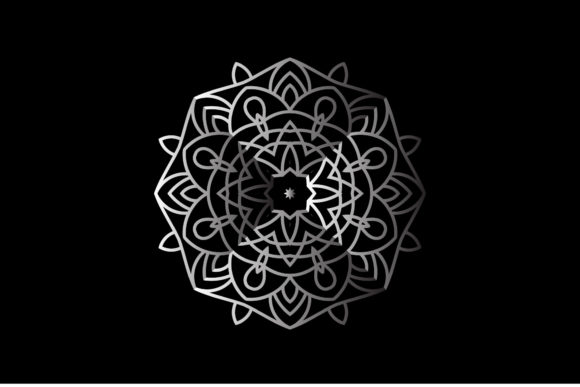
As a brand designer who’s developed visual identities for over 40 local businesses—from artisanal soap makers in Asheville to seasonal candle studios in Portland—I recently evaluated the Decorative Mandala Graphic Art for a real-world project: rebranding “Luna & Petal,” a women-owned botanical skincare boutique with handmade balms, facial mists, and reusable linen gift wraps. My first impression? This isn’t clipart. It’s a quietly confident, hand-drawn-feeling illustration that balances symmetry and soul—evoking calm, intention, and quiet craftsmanship. It reads as organic yet precise, feminine without cliché, and decorative without distraction. For small business branding, that nuance matters.
A Mood That Builds Trust—Not Just Decoration
The Decorative Mandala Graphic Art carries a grounded elegance. It suggests mindfulness, care, and attention to detail—ideal for food labels (think honey jars or spice blends), skincare packaging, boutique shopping bags, or children’s product branding where warmth and authenticity are non-negotiable. It leans neither ultra-modern nor overly rustic; instead, it lands in that sweet spot many local businesses need: professional enough for shelf presence, human enough to feel handmade. It doesn’t scream “luxury minimalist”—so it won’t suit a stark, monochrome luxury tea brand—but it *does* elevate a small-batch granola label or a floral-printed thank-you card with instant visual cohesion.
Where This Graphic Design Asset Earns Its Keep
In practice, the Decorative Mandala Graphic Art shines brightest when used intentionally—not as filler, but as a strategic brand element. Here’s where it delivers measurable value:
- Product labels and packaging accents: Scale it down to frame ingredient lists on soap bars or wrap it subtly around jar lids for herbal tonics—its symmetry creates instant visual hierarchy and draws the eye to key product information.
- Hero graphics and social media banners: The 1920 × 1280 px canvas size makes it ideal for Instagram Story highlights, website hero sections, or printable in-store posters—especially when paired with clean typography and warm, earthy brand colors.
- Thank-you cards and hang tags: As a standalone SVG or PNG with transparent background, it adds tactile sophistication to unboxing experiences—critical for handmade businesses competing on perceived value.
- Seasonal campaign visuals: Rotate mandala variations across spring equinox launches or holiday gift sets. Its timeless geometry avoids trend fatigue while supporting narrative continuity.
- Product mockups and digital marketing visuals: Drop the SVG into Canva templates or Adobe Express layouts for consistent branded ads—no pixelation, no licensing guesswork, if you confirm commercial use upfront.
Real Packaging, Real Constraints—What to Watch For
This isn’t a one-size-fits-all graphic design asset. I tested it on actual 2-ounce balm tins and 4×6” greeting cards—and learned fast where restraint is essential:
- Avoid overloading crowded packaging: On multi-ingredient food labels or supplement bottles with dense regulatory text, even a subtle mandala can muddy readability. Use it as a border accent—not a central motif—when space is tight.
- Don’t force it onto low-contrast backgrounds: The delicate linework fades on light gray or oatmeal kraft paper unless you add a subtle drop shadow or solid color underlay. Always test print proofs.
- Resist pairing it with ultra-thin or ultra-bold fonts: It harmonizes beautifully with medium-weight serifs (like Merriweather) and friendly sans-serifs (like Poppins), but clashes with aggressive display fonts or fragile script typefaces unless carefully balanced.
- Verify vector integrity before scaling for large-format use: While AI and EPS files offer full editability, some marketplace SVG exports lack layered paths—test in Illustrator by ungrouping and adjusting stroke weights.
Brand Designer Notes You Can’t Skip
Before committing this Decorative Mandala Graphic Art to your client’s brand identity or your own product line, run these checks:
- Test it on real packaging mockups—not just screen previews—to assess scale, contrast, and emotional resonance at physical size.
- Convert to grayscale and preview on black-and-white printouts—does the pattern retain clarity and rhythm?
- Place it beside your brand’s primary font pairings (serif + sans-serif + handwritten) to gauge typographic harmony.
- Overlay it on common substrate colors: kraft brown, soft white, sage green, terracotta—does it adapt, or does it demand specific palettes?
- Compare its visual weight and detail density against top 3 competitors’ packaging—does it stand out with distinction, or blend in?
- Confirm the commercial license explicitly permits use on physical goods (e.g., printed labels, stickers, fabric tags) and digital marketing assets (social ads, email headers).
- Inspect the PNG transparency—some marketplace exports include faint white halos or compression artifacts near edges.
More Than an Illustration—A Brand Consistency Anchor
For local business owners juggling design tasks themselves—or collaborating with freelancers—the Decorative Mandala Graphic Art functions as a consistency anchor. When applied thoughtfully across packaging design, social media graphics, and printable inserts, it builds subconscious recognition: customers begin to associate that intricate yet calming geometry with your brand’s values—care, craft, and calm intention. That’s how small business branding moves beyond “pretty” into “memorable.” It strengthens first impressions on crowded farmers’ market tables, improves shelf appeal next to mass-produced alternatives, and deepens emotional connection through repeated, respectful visual language.
Used wisely, this illustration isn’t decoration—it’s part of your brand’s quiet confidence. And in today’s saturated creative marketplace, that kind of thoughtful, scalable, commercially viable design asset isn’t just helpful. It’s essential.